Is rising herbicide exposure leading to reproductive problems, adverse birth outcomes or developmental delays in America’s Heartland?
The Heartland Study is a birth cohort study that has been carefully designed to answer hard questions about whether moms and babies are paying the price for rising herbicide exposure.

WHY IS THE HEARTLAND STUDY IMPORTANT?

Health problems in children—including autism, ADHD, asthma, obesity and leukemia—have been linked to toxic chemicals, especially from exposures during early development.
Brain-based disorders, including reductions in IQ and behavioral problems, are particularly worrisome. During pregnancy, the baby’s brain develops rapidly and continues to grow and mature through childhood, making it particularly vulnerable to chemical exposures.
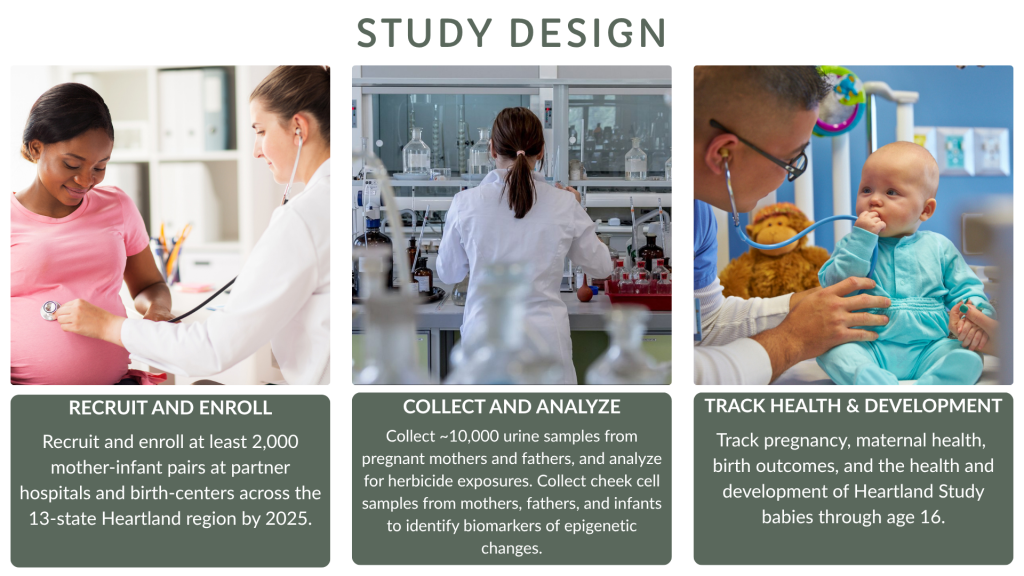
The Heartland Study will measure biomarkers from mother-infant pairs to examine whether birth outcomes and developmental anomalies are triggered by herbicide exposures during pregnancy.
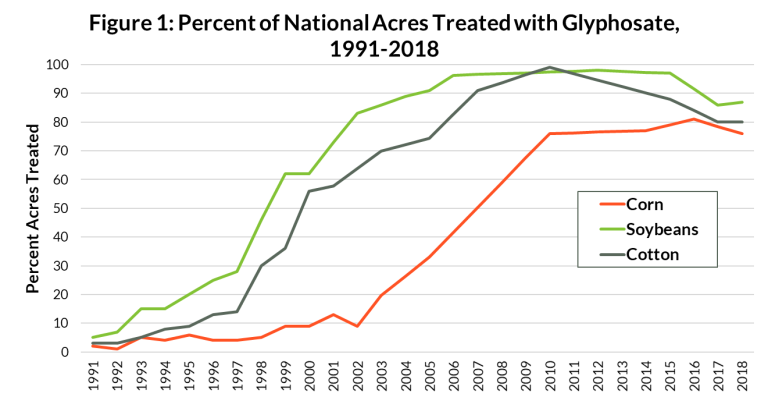
This work is crucial due to the ongoing, rapid increase in the use of several high-risk herbicides that began in 2016. The rising use of herbicides shows little sign of slowing, driven by the continuing spread of herbicide-resistant weeds.
Study Area
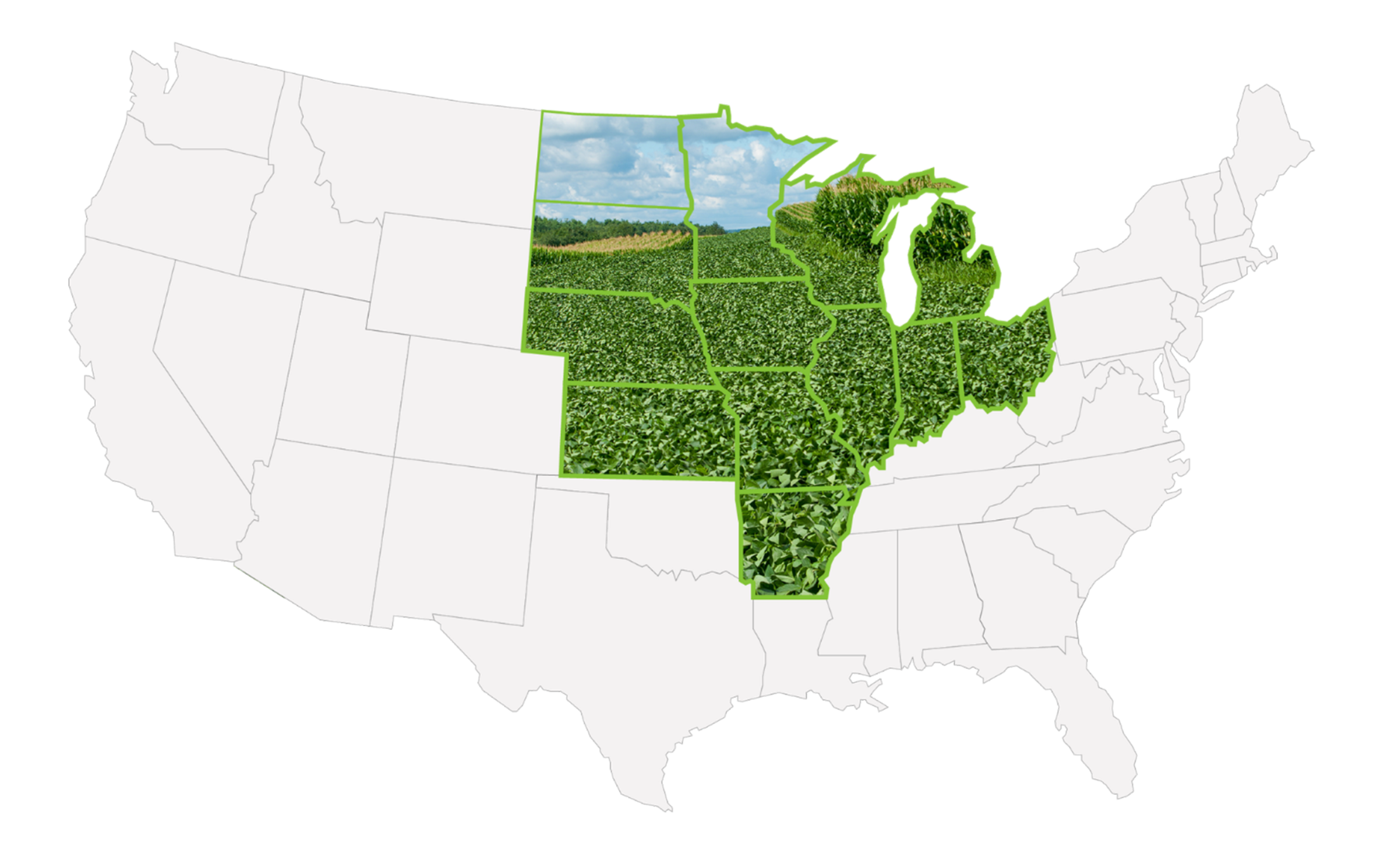
The Midwestern United States are ground zero for herbicide exposure. The Heartland Study will include partner clinics and hospitals across 13 states—the 12-state USGS Midwest Region plus Arkansas, an important soybean production state.
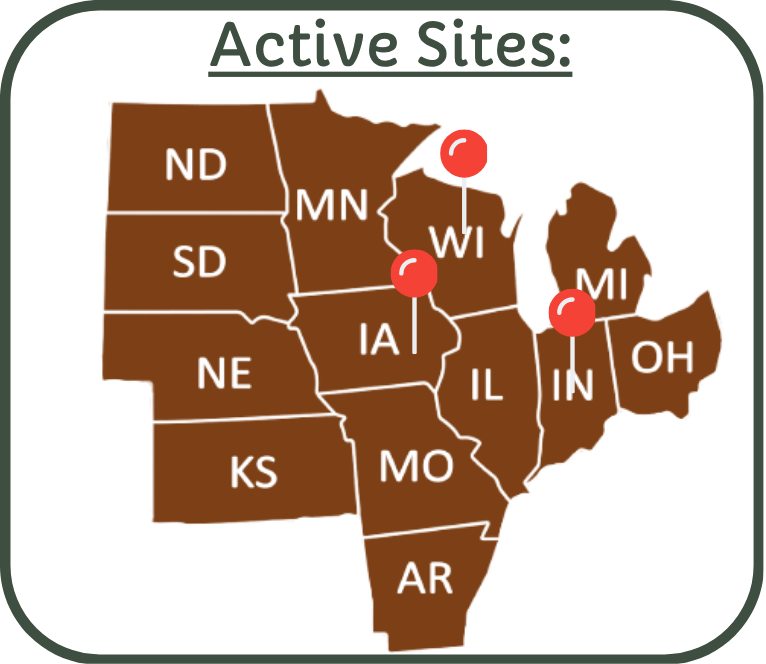
STUDY STATUS
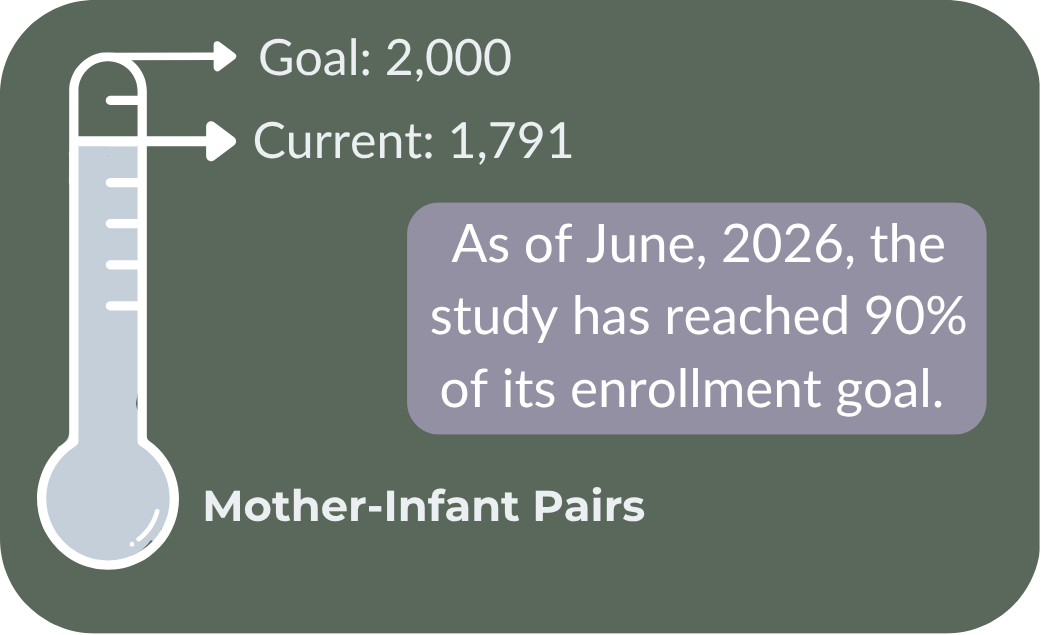
Our earliest enrollees, having delivered their babies, are now transitioning to phase two of the Study.